
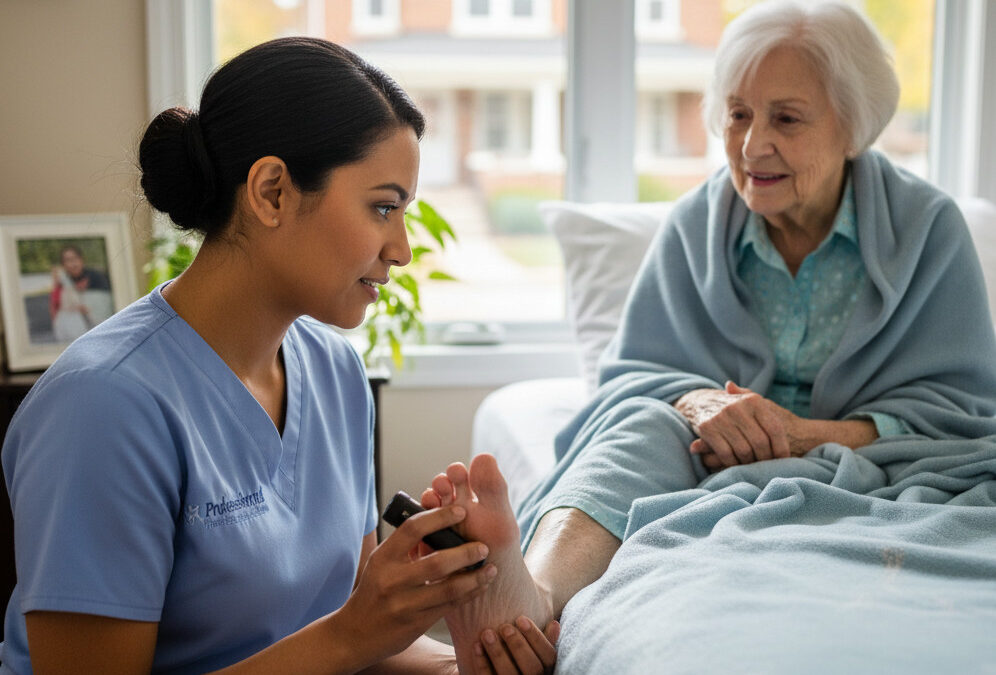


Living with limited mobility can present unique challenges, and for many home health clients in Milwaukee, preventing bed sores (also known as pressure ulcers or decubitus ulcers) is a significant concern. At Professional Home Care Services, Inc., we understand the importance of proactive care and effective management. This article will provide a comprehensive guide to understanding, preventing, and treating bed sores, highlighting how our dedicated team can support you or your loved one right here in Milwaukee.
What Exactly Are Bed Sores?
Bed sores are injuries to the skin and underlying tissue resulting from prolonged pressure on the skin. This pressure restricts blood flow, causing damage and eventually tissue death. They commonly develop on bony areas like the hips, heels, ankles, tailbone, and elbows, but can occur anywhere pressure is sustained.
Bed sores are categorized into different stages based on their severity:
- Stage 1: The affected skin is red and doesn’t blanch (turn white) when pressed. It may be painful, firm, soft, warmer, or cooler than the surrounding tissue.
- Stage 2: The skin breaks open, forming an ulcer that looks like an abrasion, blister, or shallow crater. The top layers of skin and some underlying tissue are damaged.
- Stage 3: The sore extends through the skin into the fatty tissue, but muscle, bone, or tendons are not exposed. It may look like a deep crater.
- Stage 4: The most severe stage, where the sore is very deep and can reach muscle, bone, or tendons. There is significant tissue damage.
- Unstageable: The full extent of tissue damage cannot be determined because the base of the sore is covered by slough (yellow, tan, gray, green, or brown dead tissue) or eschar (tan, brown, or black leathery dead tissue).
- Deep Tissue Injury (DTI): A purple or maroon localized area of discolored intact skin or blood-filled blister due to damage of underlying soft tissue from pressure and/or shear.
Why Are Home Health Clients Prone to Bed Sores?
Home health clients, particularly those who are bed-bound or have limited mobility, are at a higher risk for developing bed sores due to several factors:
- Immobility: The inability to shift positions independently leads to prolonged pressure on specific areas of the body.
- Friction and Shear: When skin rubs against bedding or clothing (friction) or when two surfaces move in opposite directions, stretching and damaging blood vessels (shear), it can contribute to skin breakdown.
- Malnutrition and Dehydration: Poor nutrition weakens the skin and compromises its ability to heal, while dehydration makes skin less elastic and more susceptible to damage.
- Incontinence: Moisture from urine or stool can soften the skin, making it more vulnerable to breakdown and infection.
- Underlying Health Conditions: Conditions like diabetes, vascular disease, or neurological disorders can affect circulation and skin integrity.
Preventing Bed Sores: What You Can Do at Home
Prevention is always the best approach when it comes to bed sores. Here are crucial steps home health clients in Milwaukee can take:
- Frequent Repositioning: This is the most critical step. Change positions every 1-2 hours for bed-bound individuals and every 15-30 minutes for those in a wheelchair. Use pillows or wedges to keep bony prominences from touching each other or the bed.
- Skin Inspection: Regularly check the skin, especially over bony areas, for redness, warmth, swelling, or changes in color. Pay close attention to areas under medical devices.
- Maintain Good Hygiene: Keep the skin clean and dry. Use mild soap and warm water, and gently pat the skin dry. If incontinent, change soiled briefs immediately and use barrier creams to protect the skin from moisture.
- Proper Nutrition and Hydration: Ensure a diet rich in protein, vitamins, and minerals, and drink plenty of fluids. This supports skin health and aids in healing.
- Pressure-Relieving Devices: Utilize specialized mattresses, cushions, and heel protectors to distribute pressure evenly and reduce stress on vulnerable areas.
- Avoid Friction and Shear: Lift, rather than drag, when moving in bed. Use draw sheets to assist with repositioning.
- Regular Activity (as tolerated): Even small movements, if approved by a healthcare professional, can improve circulation.
How Professional Home Care Services, Inc. Can Help in Milwaukee
At Professional Home Care Services, Inc., we offer a range of services designed to prevent and manage bed sores, ensuring our Milwaukee clients receive the highest level of care.
- Personal Care Services: Our compassionate Personal Care Workers (PCWs) are trained to assist with daily living activities that are vital for bed sore prevention. This includes:
- Assisting with Repositioning: Safely turning and repositioning clients in bed or chairs according to a care plan.
- Bathing and Skin Care: Helping with gentle bathing, drying, and applying moisturizers or barrier creams.
- Incontinence Care: Promptly assisting with toileting and changing briefs to keep skin clean and dry.
- Skin Observation: Our PCWs are vigilant in observing skin for any early signs of breakdown and reporting concerns to our skilled nursing staff.
- Skilled Nursing Services: Our Registered Nurses (RNs) provide expert care and oversight for clients at risk or with existing bed sores. Their services include:
- Comprehensive Skin Assessments: Regular, thorough evaluations of skin integrity and risk factors.
- Wound Care and Dressing Changes: Professional cleaning and dressing of existing bed sores to promote healing and prevent infection.
- Education and Training: Educating clients and families on bed sore prevention techniques, proper hygiene, and signs to watch for.
- Care Plan Development: Creating individualized care plans in collaboration with the client’s physician to address specific needs and prevent complications.
- Medication Management: Administering prescribed medications for pain or infection related to bed sores.
Milwaukee Home Care Success Stories
Here are three examples of how Professional Home Care Services, Inc. has made a difference for our Milwaukee clients:
- Mr. Johnson’s Proactive Prevention: Mr. Johnson, a bed-bound client in Bay View, was at high risk for bed sores due to his condition. Our PCW, Sarah, meticulously followed his repositioning schedule, gently turned him every two hours, and provided thorough skin care during his daily bath. She noticed a slight redness on his heel one morning and immediately reported it to the supervising RN. Thanks to Sarah’s vigilance and the RN’s quick assessment, a specialized heel protector was implemented, and the redness resolved before a bed sore could even develop. Mr. Johnson remained bed-sore free throughout his care.
- Mrs. Rodriguez’s Healing Journey: Mrs. Rodriguez, residing in Walker’s Point, developed a Stage 2 bed sore on her tailbone after a hospital stay. Our skilled nurse, Maria, visited her regularly, providing expert wound care, including cleaning, applying specialized dressings, and monitoring the wound’s progress. Maria also educated Mrs. Rodriguez’s family on proper nutrition and repositioning techniques. Within weeks, the bed sore showed significant improvement, and with continued care from Professional Home Care Services, Inc., it eventually healed completely.
- Preventing Recurrence for Mr. Lee: Mr. Lee, a wheelchair-bound client in the Sherman Park area, had a history of recurrent bed sores. Our team implemented a comprehensive care plan. His PCW assisted with frequent weight shifts in his wheelchair and ensured his specialized cushion was always properly positioned. Our RN conducted regular skin checks, advised on hydration, and worked with his family to make sure his clothing wasn’t causing friction. Through this integrated approach, Mr. Lee successfully avoided any further bed sore development, significantly improving his comfort and quality of life.
Additional Resources on Bed Sore Prevention and Care
For further reading and support, we recommend these trusted organizations. Please note that Professional Home Care Services, Inc. is not affiliated with these external sites, and you should always consult your physician for medical advice.
General Information & Medical Resources
- Mayo Clinic – Bedsores (pressure ulcers):https://www.mayoclinic.org/diseases-conditions/bed-sores/symptoms-causes/syc-20355893
- An in-depth, easy-to-understand overview of the causes, symptoms, stages, and treatments for bed sores from a leading medical institution.
- MedlinePlus – Pressure Ulcers:https://medlineplus.gov/pressureulcers.html
- A reliable resource from the National Library of Medicine that provides comprehensive information, prevention tips, and links to the latest research on pressure ulcers.
- Johns Hopkins Medicine – Pressure Ulcers:https://www.hopkinsmedicine.org/health/conditions-and-diseases/pressure-ulcers
- This health library article offers clear explanations on the risk factors, diagnosis, and treatment options for pressure ulcers.
Caregiver & Patient Support
- Agency for Healthcare Research and Quality (AHRQ) – Preventing Pressure Ulcers in Hospitals:https://www.ahrq.gov/patient-safety/settings/hospital/resource/pressureulcer/tool/pupt.html
- While focused on hospital settings, this guide provides excellent, easy-to-follow prevention strategies that are highly applicable to the home care environment.
- Family Caregiver Alliance – Caregiver’s Guide to Pressure Sores:https://www.caregiver.org/resource/caregivers-guide-pressure-sores/
- A practical guide specifically written for family caregivers, offering tips on skin inspection, repositioning, and knowing when to call for professional help.
Conclusion
Bed sores can be a serious complication for individuals with limited mobility, but with diligent care and the right support, they are largely preventable and treatable. Professional Home Care Services, Inc. is proud to serve the Milwaukee community, offering expert personal care and skilled nursing services designed to protect the skin health of our valued clients. Our team is dedicated to providing compassionate, high-quality care that keeps you or your loved one comfortable and healthy at home.
If you or a loved one in Milwaukee needs assistance with bed sore prevention or management, please don’t hesitate to reach out to Professional Home Care Services, Inc. Call us today at (414)541-6010 to discuss how our personalized home care services can make a difference.
Join Our Team!
Are you a compassionate Registered Nurse (RN) or Personal Care Worker (PCW) looking to make a meaningful impact in the lives of home health clients in Milwaukee? Professional Home Care Services, Inc. is growing and looking for dedicated professionals to join our team.
Visit our Jobs page at: https://www.phcsonline.com/blog1/home-care-jobs/ to learn more about exciting career opportunities with us!


Recent Comments